 Bibiserv
The Visibility Imperative
Ina world where global disruptions have become the norm, real-time visibility into the supply chain is no longer a nice-to-have — it’s mission-critical. From pandemic-induced bottlenecks to geopolitical unrest, today’s supply chain professionals face unprecedented challenges. Traditional tracking systems and static dashboards offer limited insight into the fast-moving, multifaceted logistics environment of 2025. Enter: Supply Chain Visibility 2.0.
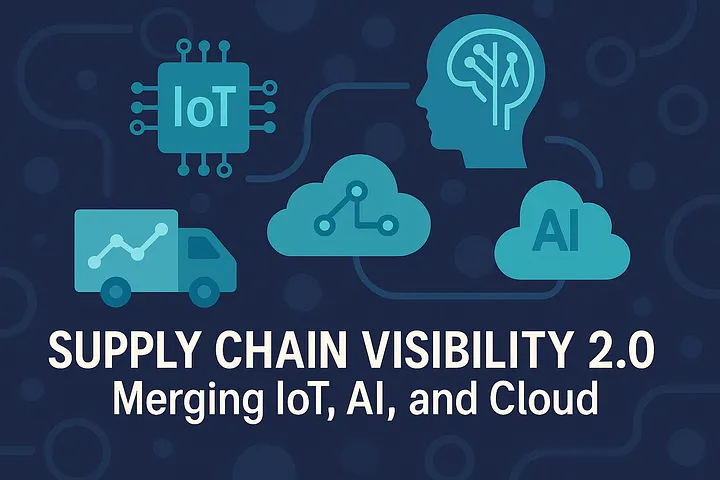
This new era of logistics intelligence is driven by the convergence of IoT sensors, artificial intelligence (AI), and cloud infrastructure. Together, they create a dynamic ecosystem where data flows in real time, decisions are predictive rather than reactive, and end-to-end transparency is not just achievable — it’s expected.
The Role of IoT in Logistics Intelligence
Internet of Things (IoT) technologies are the eyes and ears of the modern supply chain. Embedded sensors capture granular data on location, temperature, humidity, vibration, shock, and more — enabling organisations to monitor goods in motion or in storage with unprecedented precision.
Use Cases:
- Cold chain monitoring: Sensors in refrigerated trucks track temperature fluctuations to prevent spoilage of pharmaceuticals and perishable foods.
- Fleet tracking: GPS and telematics systems optimise routing and alert dispatchers to delays.
- Warehouse automation: Smart shelves and robotics ensure accurate inventory counts and reduce manual errors.
With real-time alerts for events like tampering, temperature deviations, or unplanned stops, IoT provides the foundational visibility layer every modern supply chain needs.
AI Turns Data into Actionable Intelligence
Collecting data is just the beginning. AI and machine learning (ML) algorithms process massive volumes of IoT-generated data to uncover patterns, predict risks, and automate decisions.
Applications of AI in Supply Chain:
- Predictive ETAs: AI models adjust expected arrival times using live data from weather, traffic, and customs systems.
- Demand forecasting: ML algorithms continuously analyse sales, market trends, and seasonality to refine procurement and production planning.
- Route optimisation: AI-driven tools recalculate delivery routes in real time based on fuel prices, driver availability, and congestion levels.
Rather than reacting to disruptions, AI empowers supply chain managers to get ahead of them — making proactive, data-informed decisions.
The Cloud as the Unifying Platform
The scale and complexity of modern supply chains demand a centralised platform for data integration and collaboration. Cloud infrastructure delivers on this need by providing secure, scalable, and interoperable environments.
Cloud Capabilities:
- Data lakes unify structured and unstructured data across systems.
- Control towers provide a 360-degree, real-time view of global operations.
- APIs enable seamless integration with ERP, WMS, TMS, and partner systems.
Cloud platforms like Microsoft Azure, Amazon Web Services (AWS), and Google Cloud also support edge computing, allowing time-sensitive data processing closer to the source — crucial for minimising latency in fast-moving logistics operations.
Real-World Use Cases of Supply Chain Visibility 2.0
Pharmaceutical Logistics: A national drug distributor deploys IoT sensors across its supply chain, from manufacturer to pharmacy. AI alerts staff when cold storage units approach unsafe temperatures, triggering rerouting and preserving drug efficacy.
Retail Logistics: A global fashion brand integrates AI and cloud-based dashboards to manage thousands of SKUs across continents. During a regional port shutdown, predictive analytics reroute shipments, avoiding stockouts during peak season.
Consumer Goods: A food and beverage company uses machine learning to predict surges in demand around major holidays, adjusting production and fulfilment strategies to reduce waste and avoid stockouts.
Getting Started — Modernising Your Visibility Strategy
To build a modern, resilient supply chain visibility framework, leaders should:
1. Map existing blind spots: Identify where visibility is lacking — in transit, at rest, or across partners.
2. Invest in IoT infrastructure: Deploy sensors on critical assets to capture real-time data.
3. Adopt AI and analytics platforms: Use tools that can analyse and act on IoT data at scale.
4. Leverage the cloud: Consolidate data sources and enable real-time collaboration across teams.
5. Ensure security and compliance: Encrypt data, implement access controls, and maintain audit trails to safeguard sensitive information.
The Future Is Transparent and Intelligent
Supply Chain Visibility 2.0 isn’t just about tracking shipments — it’s about orchestrating an intelligent, responsive, and resilient logistics network. By merging IoT, AI, and cloud, businesses can unlock new levels of agility, efficiency, and customer satisfaction.
Ready to unlock end-to-end intelligence in your supply chain? Let BIBISERV help you architect IoT- and AI-powered logistics solutions that scale with your operations and evolve with your data. Future-proof your supply chain today.