 Bibiserv
The Virtual Clinic Is Here to Stay
Telemedicine is no longer a futuristic concept — it’s the present and future of healthcare delivery. Since the early 2020s, hybrid care models that blend in-person visits with remote consultations, e-prescriptions, and at-home monitoring have become a mainstay. With this evolution comes a new set of challenges: safeguarding patient health information (PHI) in a decentralised care model that spans mobile apps, third-party platforms, and cloud-based EHR systems.
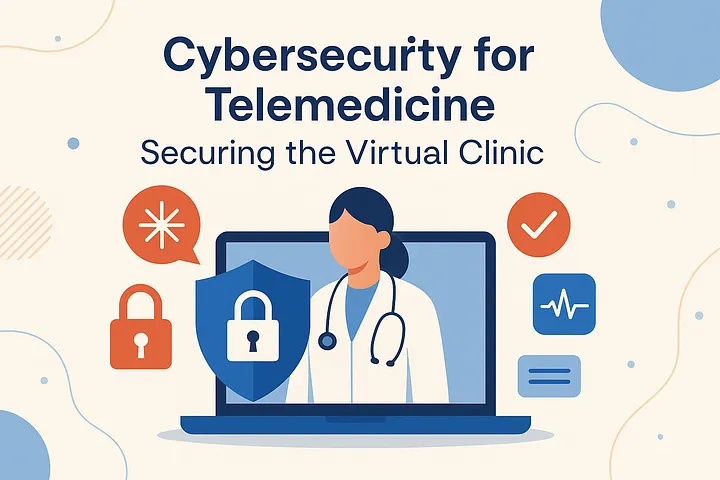
As digital care expands, so does the attack surface for cybercriminals. Video consultations, prescription portals, and remote data access introduce vulnerabilities that traditional clinical settings never had to consider. In this virtual era, cybersecurity is no longer a backend concern — it’s a frontline priority. Securing the “virtual clinic” is essential to protecting patient trust, maintaining HIPAA compliance, and ensuring the integrity of modern healthcare.
Understanding the Threat Landscape
Telemedicine systems are attractive targets for cybercriminals due to the sensitive nature of patient data and the often undersecured digital environments in which care is delivered. The threat landscape continues to evolve in both sophistication and scale.
Key Threats Facing Telehealth in 2025:
- Man-in-the-Middle Attacks (MitM): Unsecured video or chat platforms can be intercepted, allowing attackers to eavesdrop or manipulate consultations.
- Phishing and Credential Theft: Cybercriminals target clinicians and administrators with realistic-looking emails or SMS messages to capture login credentials.
- Unpatched E-Prescription Systems: Vulnerabilities in outdated eRx platforms or integrations can be exploited to issue fraudulent prescriptions or access PHI.
- Remote Device Exploits: Personal laptops, tablets, and smartphones used in decentralised care can be compromised if not properly secured.
According to a 2024 HIMSS survey, over 42% of healthcare organisations reported attempted intrusions targeting their telehealth infrastructure. It’s no longer a matter of if — but when — threat actors will test your digital defences.
Securing Video Consultations
Video consultations are the cornerstone of telemedicine. Ensuring they are private, authenticated, and secure is vital for maintaining both HIPAA compliance and patient confidence.
Best Practices:
- Use HIPAA-Compliant Platforms: Choose video tools that offer end-to-end encryption, role-based access control, and session monitoring. Examples include Zoom for Healthcare, Doxy.me, and VSee.
- Secure Meeting Practices: Require unique, expiring meeting links; enable waiting rooms; verify participant identity before starting a session.
- Combat Deepfake Impersonation: Adopt real-time biometric or two-factor authentication (2FA) for both patients and providers to prevent spoofing.
- Eavesdropping Protections: Disable unused features like recording, screen sharing, or file transfers unless necessary for care.
Protecting E-Prescriptions and Patient Records
The digital flow of information between clinics, pharmacies, and cloud-based EHRs must be seamless, but also impenetrable.
Secure Practices Include:
- Encryption at Every Stage: Encrypt patient data both in transit (e.g., between mobile app and server) and at rest (e.g., in cloud databases).
- Zero-Trust Network Access (ZTNA): Replace traditional VPNs with ZTNA to verify user identity and device health before granting access.
- Multi-Factor Authentication: Implement MFA for all EHR, e-prescription, and administrative systems.
- Audit Trails: Maintain complete logs of access and actions for accountability, anomaly detection, and regulatory audits.
- Timeouts and Auto-Lock Features: Configure systems to log out inactive users, minimising exposure in unattended sessions.
Building a Resilient Telemedicine Security Strategy
Cybersecurity is not a one-and-done project — it’s a lifecycle. Telemedicine platforms require ongoing monitoring, testing, and improvement to remain resilient.
Key Components of a Secure Strategy:
- Multi-Factor Authentication (MFA): Standard across all systems, from provider portals to patient apps.
- Endpoint Security: Ensure devices used for telehealth — whether in the clinic or at home — have updated antivirus, firewalls, and remote-wipe capabilities.
- Penetration Testing and Red Teaming: Simulate attacks on telehealth systems to uncover and fix vulnerabilities before attackers do.
- DevSecOps Integration: Bake security into the software development lifecycle for any custom telehealth applications or integrations.
- Security Awareness Training: Equip clinical and administrative staff to recognise phishing, use secure passwords, and report suspicious activity.
Compliance, Standards, and Trust
The legal and reputational stakes in healthcare are uniquely high. Regulators like HHS continue to emphasise digital compliance under HIPAA and HITECH.
Actionable Compliance Tips:
- Sign Business Associate Agreements (BAAs): Ensure all third-party vendors handling PHI sign a BAA outlining their security responsibilities.
- Map to Compliance Frameworks: Align your telehealth strategy with NIST CSF, HITRUST, or ISO 27001 standards for added resilience.
- Transparent Data Use Policies: Communicate clearly with patients about how their data is used, stored, and protected.
- State-Level Regulations: Monitor local laws that may impose additional requirements beyond HIPAA, especially regarding remote prescribing or cross-border data storage.
Trust is a cornerstone of healthcare, and strong cybersecurity is what builds it in the digital age.
Security Is the Backbone of Telemedicine
Telemedicine has unlocked access to care for millions, but it has also created new avenues for cyberattacks. From video consultations to e-prescriptions, every touchpoint of the virtual clinic must be secured with intentional, evolving defences.
Healthcare organisations must treat cybersecurity as a mission-critical priority. This means more than checking compliance boxes — it means designing systems for resilience, training staff, and engaging expert partners to close gaps before attackers find them.
Partner with BIBISERV to Secure Your Telemedicine Future
At BIBISERV, we understand that trust, care, and innovation must go hand-in-hand. Our HIPAA-compliant cybersecurity and cloud solutions help healthcare providers build secure, scalable, and resilient digital environments tailored for modern telehealth.
🔐 Ready to secure your virtual clinic?
Let BIBISERV help you assess your current risk, fortify your defences, and stay compliant — so you can focus on what matters most: delivering exceptional care.