 Bibiserv
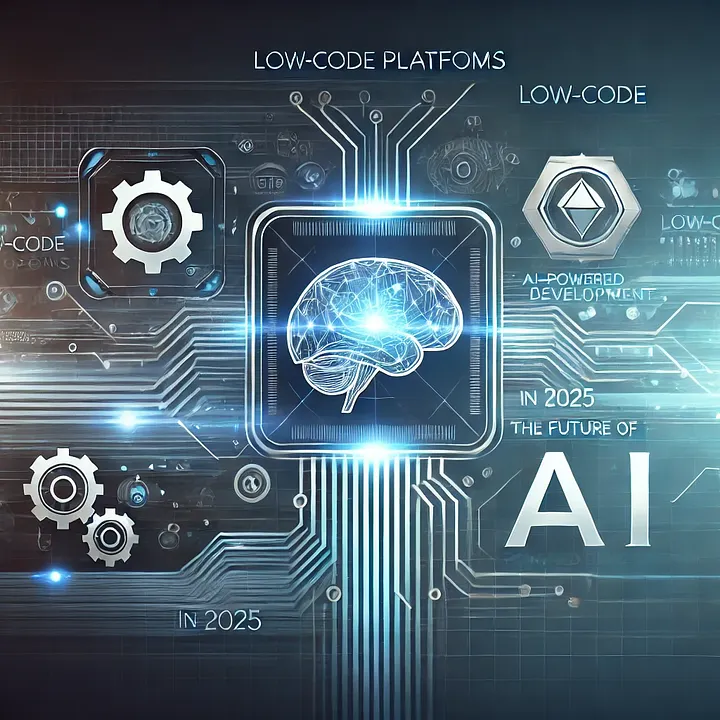
Software engineering is undergoing a seismic transformation in the rapidly evolving digital landscape. The increasing demand for faster, scalable, and innovative solutions has given rise to disruptive technologies like low-code platforms and AI-powered development tools. These advancements are not only reshaping the way applications are built but are also redefining the role of software engineers. As businesses strive to remain competitive, understanding and embracing these technologies in 2025 is no longer optional but essential.
Low-Code Platforms: Simplifying Development for All
Low-code platforms are revolutionizing the software development process by enabling both technical and non-technical users to create applications with minimal coding. These platforms utilize visual interfaces, drag-and-drop functionality, and pre-built templates to accelerate development.
Benefits of Low-Code Platforms:
- Speed and Efficiency: Reduce development timelines by enabling rapid prototyping and deployment.
- Accessibility: Empower non-developers, such as business analysts, to contribute to application development.
- Cost Savings: Minimize the need for extensive coding expertise, reducing reliance on large development teams.
Real-World Applications:
- A healthcare provider leverages a low-code platform to create a patient appointment system in weeks instead of months.
- Retailers build custom inventory management tools tailored to their unique needs without hiring specialized developers.
By democratizing development, low-code platforms allow businesses to respond quickly to market changes and innovation demands.
AI-Powered Development: Efficiency and Innovation Redefined
Artificial Intelligence (AI) is another transformative force in software engineering. AI-powered development tools automate repetitive tasks, optimize coding processes, and enhance overall productivity.
Key Capabilities of AI in Software Development:
- Automated Coding: AI tools generate boilerplate code, reducing manual effort and errors.
- Predictive Analytics: Anticipate project challenges and suggest solutions in real time.
- Natural Language Processing (NLP): Enable developers to write code using plain language commands.
Example Use Cases:
- AI-driven testing tools identify bugs early, improving software reliability.
- Predictive models optimize resource allocation in large-scale projects.
By incorporating AI, businesses can accelerate development cycles and focus more on innovation rather than routine tasks.
The Future of Software Engineering in 2025
The integration of low-code platforms and AI-powered development tools is shaping the future of software engineering in profound ways. Key trends to watch include:
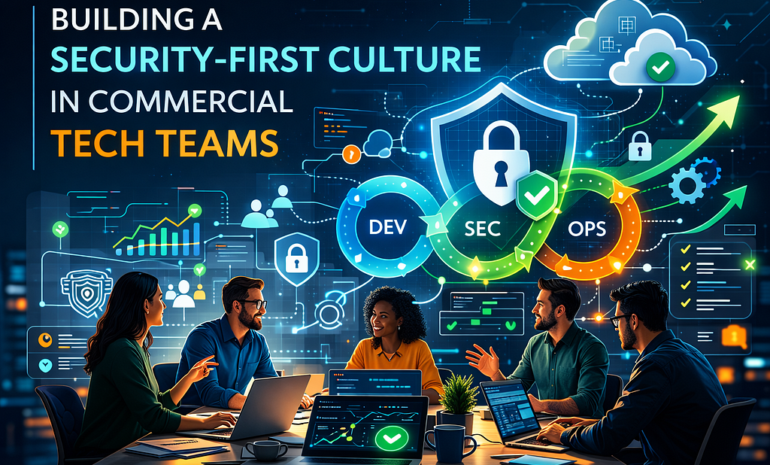
- DevSecOps: Security integrated into every stage of the development process ensures robust applications.
- Cross-Functional Collaboration: Low-code platforms facilitate collaboration across departments, breaking down silos.
- Ethical AI: As AI tools become prevalent, ethical considerations around data use and bias will be critical.
- Upskilling Engineers: Software engineers will need to expand their expertise to include AI, data analytics, and user experience.
Actionable Steps to Prepare and Benefit
To stay ahead in 2025, businesses must take proactive steps to embrace these technological advancements:
- Invest in Low-Code Platforms: Evaluate and adopt platforms that align with your business goals. Train teams to maximize their potential.
- Adopt AI-Driven Tools: Implement AI-powered solutions for coding, testing, and deployment to enhance efficiency.
- Foster a Culture of Agility: Encourage teams to adapt quickly to new technologies and methodologies.
- Partner with Experts: Collaborate with industry leaders like BIBISERV to ensure smooth integration and tailored solutions.
As we navigate the future of software engineering, low-code platforms and AI-powered development tools stand out as pivotal enablers of innovation and efficiency. By adopting these technologies, businesses can stay ahead of the curve, delivering faster, smarter, and more secure solutions. To unlock the full potential of these advancements, consider partnering with experts like BIBISERV for guidance tailored to your unique needs. Future-proof your software engineering strategy today, and thrive in 2025 and beyond.