 Bibiserv
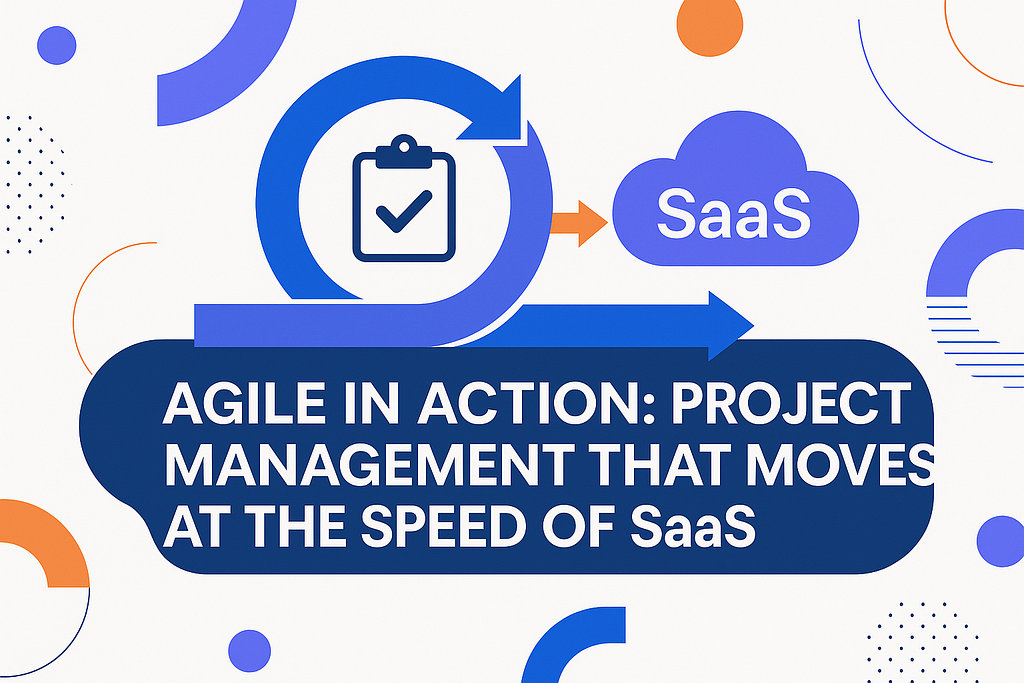
In today’s SaaS landscape, product cycles move at breakneck speed. Market demands shift overnight, customer feedback floods in constantly, and competitors iterate fast. In this environment, traditional project management approaches that emphasise rigid plans and long delivery cycles simply can’t keep up. Instead, Agile has emerged as the heartbeat of high-performing SaaS organisations.
The Velocity of Modern SaaS
SaaS companies live in an always-on, continuously evolving marketplace. Traditional project management methods — waterfall timelines, static Gantt charts, and siloed teams — fail to meet the needs of rapid iteration, continuous delivery, and real-time responsiveness. Agile project management, by contrast, supports adaptive planning, early delivery, and continual improvement, making it ideal for SaaS.
Stakeholder visibility, quick pivots, and fast delivery are not just advantages — they’re necessities. Agile enables SaaS teams to keep pace with these demands, making it the go-to methodology for modern software delivery.
The Agile Mindset in SaaS
Agile is more than a framework; it’s a cultural mindset shift. At its core, Agile moves teams from command-and-control hierarchies to empowered, cross-functional squads that prioritise collaboration and customer value.
Key principles shaping this mindset include:
- Customer-Centricity: Building features that solve real user problems.
- Iterative Development: Delivering in short cycles with feedback loops.
- Working Software Over Documentation: Prioritising deliverables that users can touch.
- Responding to Change: Embracing, not resisting, evolving requirements.
This cultural shift fosters transparency, accountability, and a relentless focus on outcomes.
Real-World Agile in Action
Many leading SaaS companies use Agile to sustain momentum and quality. Consider these examples:
- Company X adopted Kanban to visualise workflows and limit work-in-progress. This reduced their average cycle time by 40%, allowing them to ship updates weekly instead of monthly.
- Company Y integrated user feedback directly into sprint planning. By reviewing NPS feedback in retrospectives, they improved user satisfaction by 25% over three quarters.
- Company Z, with globally distributed teams, used Scrum and bi-weekly demos to maintain alignment across continents. Stakeholders remained engaged and informed, despite time zones and geography.
These organisations demonstrate that Agile is not just theory — it’s a practical, results-driven way of working.
Agile Tools and Frameworks for Continuous Delivery
Agile success in SaaS hinges on the right blend of frameworks and tools:
- Scrum: With time-boxed sprints and ceremonies like planning and reviews, Scrum provides rhythm and structure.
- Kanban: Ideal for operational or support teams, Kanban optimises flow by visualising work and enforcing WIP limits.
- SAFe: For scaling Agile across the enterprise, the Scaled Agile Framework helps coordinate multiple Agile teams.
Tools that facilitate these frameworks include:
- Jira for backlog and sprint management
- Azure DevOps for integrated CI/CD pipelines
- Confluence for documentation and knowledge sharing
- GitLab/GitHub for version control and DevOps integration
These tools support the rapid iteration and high automation necessary for continuous delivery.
Aligning Stakeholders at SaaS Speed
Agile thrives on communication. Through structured ceremonies, teams keep stakeholders engaged:
- Daily Standups help surface blockers and keep momentum.
- Sprint Reviews and Demos provide visibility into delivered value.
- Retrospectives enable reflection and process improvement.
Product Owners play a pivotal role in aligning business goals with technical execution. By maintaining a well-prioritised backlog and translating strategic goals into actionable stories, they serve as the linchpin between vision and velocity.
Avoiding Agile Pitfalls in SaaS
While Agile offers immense value, pitfalls abound:
- Agile Theatre: Going through the motions without real agility. Standups become status meetings, and retros lose their edge.
- Over-reliance on Tools: Tools support Agile, but the mindset drives it. Don’t confuse Jira tickets with true collaboration.
- Scaling Too Quickly: Without mature DevOps and QA practices, trying to scale Agile can lead to technical debt and delivery breakdowns.
- Neglecting Team Health: Velocity is not an excuse for burnout. Sustainable pace matters.
Avoiding these traps requires vigilance, leadership buy-in, and ongoing coaching.
Agile as a Strategic Advantage
Agile isn’t just about shipping faster. It’s about delivering the right things, faster and more reliably. In a world where SaaS success depends on speed, feedback, and adaptability, Agile gives companies a critical edge.
By embracing Agile as a philosophy — not just a framework — SaaS organisations can align teams, delight users, and outpace the competition. For leaders in product, engineering, and delivery, the message is clear: Agile isn’t optional. It’s the operating system of modern SaaS.
Ready to accelerate your SaaS delivery? Adopt Agile in action and move at the speed your market demands.
Contact BIBISERV to partner with experienced Agile consultants and DevOps engineers who understand the unique pressures of modern SaaS. Whether you’re scaling your delivery team or transforming legacy workflows, we help you build what matters — faster.