 Bibiserv
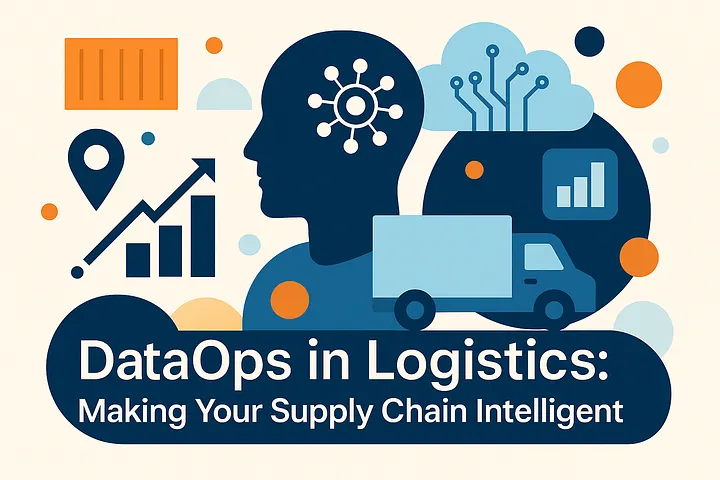
Intoday’s fast-paced and unpredictable global market, logistics organisations are under immense pressure to operate with greater speed, transparency, and efficiency. From port congestion and geopolitical shifts to changing consumer expectations and supply chain disruptions, the logistics sector faces complex, real-time challenges. To meet these demands, many forward-thinking organisations are turning to DataOps — a transformative approach to managing data pipelines that is powering the next generation of intelligent, resilient supply chains.
Why Logistics Needs a Data Revolution
Traditional supply chains have long struggled with fragmented systems, disconnected data sources, and manual workflows. These issues limit visibility, slow decision-making, and increase vulnerability to disruption. At the same time, stakeholders demand more — from real-time shipment tracking to predictive insights that reduce delays and cut costs.
Enter DataOps, a methodology that applies agile principles, automation, and collaboration across the data lifecycle. Much like DevOps revolutionised software delivery, DataOps accelerates the delivery of high-quality data, transforming supply chains into intelligent, adaptive systems. For logistics operations, this means unified visibility, smarter decision-making, and enhanced responsiveness — all in real time.
What Is DataOps in the Context of Logistics?
DataOps is an agile, iterative approach to designing, implementing, and managing data workflows and analytics. Unlike traditional extract-transform-load (ETL) pipelines that move data in scheduled batches, DataOps enables continuous data integration, where information flows securely and accurately from source to destination in near real-time.
In the logistics context, DataOps goes beyond just connecting systems — it orchestrates a network of intelligent data pipelines across transportation management systems (TMS), warehouse management systems (WMS), ERP platforms, IoT sensors, and partner ecosystems. These pipelines ensure that accurate, validated data is always available to fuel decision-making, automation, and innovation.
This shift — from static data processing to dynamic, continuous data flow — lays the foundation for intelligent logistics operations capable of adapting to change, anticipating disruptions, and optimising performance.
Enabling End-to-End Supply Chain Visibility
Siloed data is one of the most significant challenges in logistics. When systems don’t communicate, blind spots emerge — whether it’s a delay at a port, a stockout at a warehouse, or a disruption in last-mile delivery.
DataOps breaks down these silos by ensuring seamless data movement and standardization across all nodes of the supply chain. Through real-time data integration, organisations can:
- Monitor shipments from origin to destination.
- Track inventory levels across global facilities.
- Receive immediate alerts on transportation exceptions.
Technologies like digital twins, interactive dashboards, and AI-powered insights further enhance visibility. For example, a logistics provider using DataOps can simulate entire supply chain scenarios, forecast potential risks, and proactively adjust routes or inventory allocation.
The result is a synchronised, transparent view of the supply chain that empowers faster, smarter decisions.
Driving Cost Efficiency and Optimisation
Operational inefficiencies cost the logistics industry billions each year. Errors in data entry, poor forecasting, and reactive decision-making contribute to waste, delays, and unnecessary spending.
DataOps addresses these issues head-on by:
- Automating data validation and cleansing: Intelligent pipelines detect anomalies, resolve inconsistencies, and ensure data quality at every stage.
- Reducing manual rework: With reliable, real-time data, teams can trust their insights and avoid time-consuming verification.
- Enabling smarter decisions: Accurate, up-to-date data fuels optimisation algorithms that improve route planning, load balancing, and vendor performance.
Consider a supply chain team that integrates predictive analytics via DataOps. They can forecast demand spikes, prevent overstocking, and dynamically adjust distribution plans, cutting costs while maintaining service levels.
In short, DataOps makes your data work for you, turning a once-costly asset into a powerful driver of efficiency and ROI.
Boosting Agility and Resilience
In logistics, change is constant — whether it’s a factory shutdown, a customs delay, or a sudden shift in demand. Agility is no longer optional; it’s a competitive necessity.
DataOps empowers this agility by enabling rapid reconfiguration of data workflows and real-time responsiveness to new conditions. Logistics organisations leveraging DataOps can:
- Onboard new suppliers and carriers without disrupting existing data pipelines.
- Reroute shipments or reprioritise inventory based on real-time alerts.
- Maintain data quality and availability through automated testing and deployment.
These capabilities are vital for resilience. With DataOps, logistics teams can detect disruptions as they emerge, simulate alternatives, and take proactive steps to mitigate impact — all within minutes, not days.
In essence, DataOps serves as a shock absorber for the modern supply chain, ensuring continuity even amid volatility.
From Data Chaos to Data Intelligence
DataOps is not just a trend — it’s a paradigm shift in how logistics organisations harness the power of their data. By adopting DataOps, companies gain more than just operational improvements; they unlock a strategic capability to innovate, adapt, and thrive in an increasingly dynamic world.
From end-to-end visibility and cost reduction to agility and resilience, DataOps is making supply chains smarter, faster, and more responsive than ever before.
For logistics leaders and IT professionals, the message is clear: Investing in DataOps is investing in the future of intelligent supply chain management.
Ready to transform your supply chain with DataOps?
At BIBISERV, we help logistics organisations design and implement intelligent data architectures that drive measurable value. Whether you’re just getting started or scaling enterprise-wide analytics, our DataOps experts are here to guide your digital transformation journey.